
Sectors
At Sedrow Fire Engineering we work across all sectors. We work on new-builds, refurbishments and conversions, as well as due diligence for sale or acquisition.
Residential
Our residential experience includes Higher Risk Buildings (HRBs) under the Building Safety Act, Gateway 1, 2 and 3 approval, high-rise, student accommodation, extra care and care homes, co-living, mixed-use developments, and complex e.g. open-plan, duplexes and triplexes. We also support external wall assessments and remediation (inc. FRAEW, PAS 9980, EWS1) and computational fluid dynamics (CFD) analysis to support the smoke control design and approvals.
Residential buildings pose some of the highest fire risks for building occupants, making careful fire strategy design essential. Following the Grenfell tragedy, fire safety regulations have evolved significantly, and compliance is more critical than ever. At Sedrow, we prioritise safety without compromise. Our team stays fully up to date with legislation, Building Regulations guidance, and industry best practice.
Hotels
Sedrow’s engineers have developed fire strategies for a wide range of hotels, including high-rise, mixed-use, and historic buildings, as well as properties with extended corridors, single-stair layouts and conversions. We ensure that the design is safe, without compromising on the operational or architectural goals.
Hotels present unique fire engineering challenges. Guests are often asleep and unfamiliar with their surroundings, factors which delay evacuation. Hotel fire strategies need to ensure that the evacuation time is minimised, and that the development and spread of fire is adequately restricted.
Education
Sedrow’s engineers have developed fire strategies for all types of educational buildings, from primary, secondary and SEND schools to colleges, sixth forms, and many high-profile university buildings across the UK. Our work spans refurbishments, extensions, new builds, site-wide masterplans, and regeneration projects, following standards such as BB 100, BS 9999, and the ADB. Our experience ensures safety, compliance, and practical solutions tailored to each specific project.
Education buildings are diverse in use, design, and occupancy, requiring tailored fire strategies. Schools, colleges, and universities often have large numbers of occupants, including young people, sometimes with special educational needs, who rely on clear escape routes, accessible evacuation facilities, and effective building management. Features such as atria and large open spaces add complexity, while risks such as arson, malicious false alarms, and protection of critical information must also be considered.
Industrial and Warehouse
Sedrow’s engineers have developed fire strategies for many large and complex industrial buildings/warehouses, inc. general purpose storage, hazardous materials, automated facilities, recycling and waste management, solar farms, battery storage, laboratories, pharmaceutical, food processing, vehicle assembly and more. We regularly use advanced smoke modelling, often including computational fluid dynamics (CFD), to demonstrate safe conditions and support design flexibility.
Industrial and warehouse buildings are often large in footprint and volume; they can contain hazardous processes and materials and have complex layouts. This can prevent compliance with basic fire strategy guidance. Warehouses and industrial buildings can also include features which benefit the fire strategy and increase the standard of safety. High ceilings (which improve visibility and delay smoke descent), and occupant’s familiarity with their surroundings can contribute to a more effective and efficient fire strategy.
Offices
Sedrow’s fire engineers have experience of many of the largest and most high-profile office buildings in the UK, including new-builds, fit-outs and conversions. While the priority is always a safe building, we recognise the need for design freedom, to maximise the net floor area, and to minimise construction cost. Through detailed fire engineering analysis, we have been able to demonstrate that a high standard of safety can be achieved while enhancing the project’s value.
Modern office buildings are increasingly based around collaboration, with open-plan workspaces, break-out areas, and atria connecting floors. This open design allows the rapid transfer of smoke around the building and introduces challenges for the fire strategy. In tall office buildings, large occupant numbers and limited floor space mean that staircore design and the evacuation strategy can have a significant impact on project value.
Hospitals and Healthcare
Sedrow’s fire engineers have worked on many large hospitals, both new, existing and historic, and all other types of healthcare facilities. We work closely with the building operators to ensure that the fire strategy is pragmatic and can be implemented in practice. We understand the complexities of progressive horizontal evacuation design and have worked extensively with the HTM guidance and standard fire strategy frameworks, to deliver safe, efficient, and tailored solutions for healthcare.
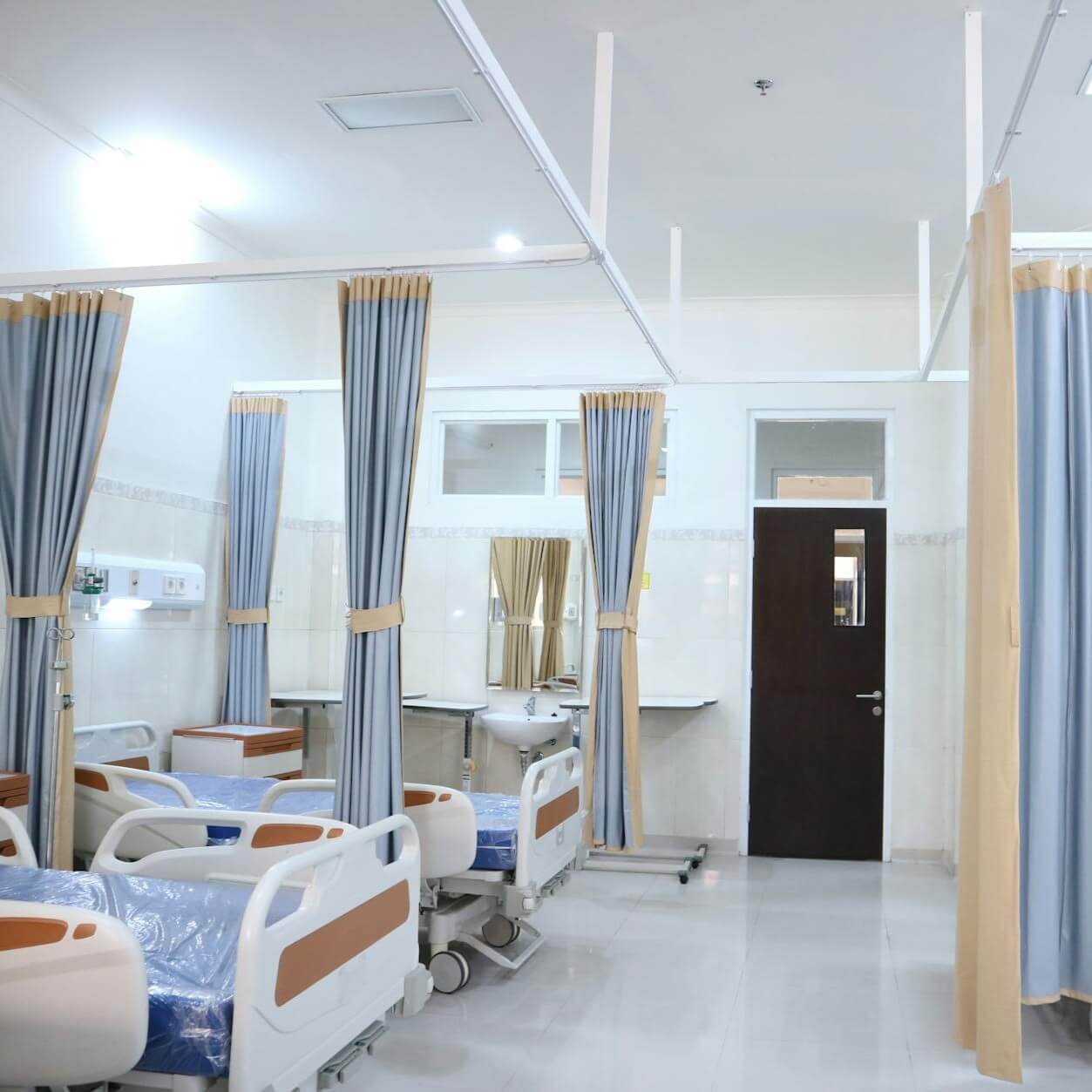
Healthcare buildings can vary from very large and complex hospitals with multiple departments and hundreds of staff, to more simple walk-in clinics, GP practices and medical trail/research centres. The greatest challenges exist where patients are incapacitated or otherwise dependant or vulnerable, and standard methods of evacuation are impossible and potentially life-threatening. Even outpatient facilities require particular care to ensure that all occupants are adequately managed in a fire event.
Sports and Entertainment
Sedrow’s fire engineers have worked on football stadia, tennis stadia, various Olympic sites, as well as community sports and leisure centres, concert halls and other music venues. In each case we apply our expertise to ensure that occupants can escape from the building effectively in the event of a fire and that there is appropriate means of fire detection and alarm. We are familiar with all key guidance for sports and entertainment facilities, including the ‘Green Guide’ for sports grounds.
Sports and entertainment venues, such as stadia and music venues, have large numbers of occupants, densely packed, who are often unfamiliar with their surroundings. Large volumes of people evacuating a space simultaneously introduces challenges in the means of escape design and the risk of crowd crush incidents. It is vital that occupants are alerted to a fire at an early stage, the spread of fire is limited, and the evacuation is well managed.
Transport
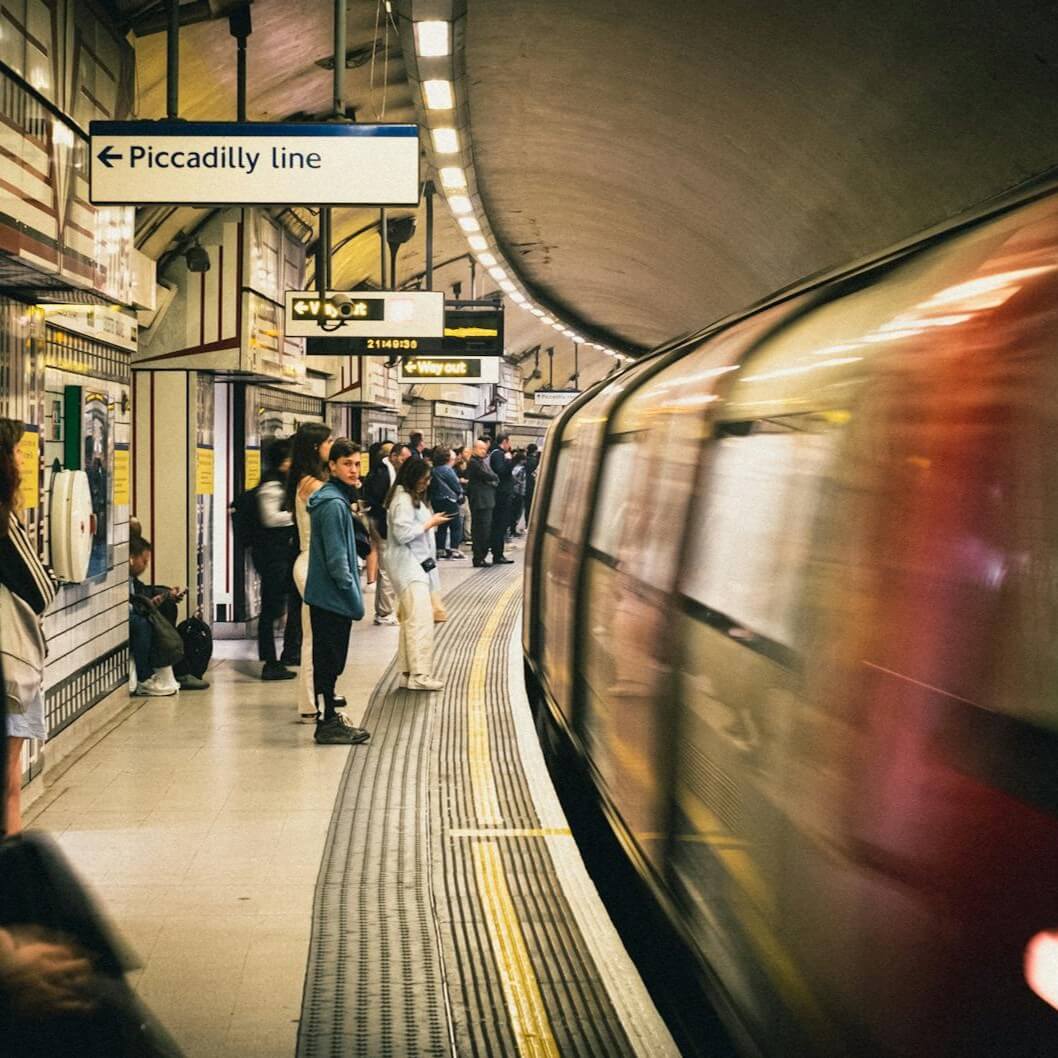
Sedrow’s fire engineers have worked on airports, railway and underground stations, bus stations, and tunnels. Our engineers use established occupancy calculations, evacuation and smoke modelling methods to meet the requirements of the approving authorities and each stakeholder. Sedrow’s fire engineers also use research-led approaches to address specific transport-related fire scenarios, ensuring our strategies are robust, compliant, and tailored to each project’s unique challenges.
The transport sector extends across sea, air, rail, and road travel. Projects can include airports, railway stations, tunnels, bridges, bus stations, depots, ports and much more. Fire strategy development for these environments is inherently complex, requiring consideration of unique fire loads, varied fire scenarios, and dynamic occupant behaviour. Often the occupancy of a building fluctuates significantly due to transport schedules, delays and disruptions. Calculating appropriate occupant numbers requires an understanding of the whole system, not just the building itself. Transport projects often have many different stakeholders, authorities, regulatory frameworks and guidance documents, each with their own requirements.
Shopping Centres
Our fire engineers have industry-leading experience and knowledge of shopping centre fire safety and fire strategy. They have worked on most of the major shopping centres across the UK. Our work includes holistic fire strategies for the whole centre, tenant fit-outs, unit splits and amalgamations, mall commercialisation, mall and unit smoke control assessments, mall reconfigurations, extensions, retrospective fire strategies and more.
Shopping centres can have thousands of occupants spread across huge numbers of shops, cafes and entertainment venues, all within one single massive, multi-storey building with atria throughout. Inevitably their fire strategies are complex. Key elements such as mall and unit smoke control systems, fire alarm design and cause-and-effect programming, sprinklers, compartmentation, firefighting access and facilities, and evacuation strategies must work seamlessly together to ensure occupant safety.
Historic Buildings
Our engineers have worked on many historic and listed buildings, from 12th century castles and churches, to stately homes, museums, prisons and hospitals. We have supported the conversion of historic buildings to shops, hotels, offices, studios and flats. Each historic building presents its own unique challenges and needs a case-by-case approach. Sedrow’s fire engineers explore every opportunity to achieve the highest standard of safety, with the minimum impact on the building’s heritage.
Working on historic and listed buildings presents the challenge of combining fire safety with the preservation of heritage. It is often the case that standard code guidance is too restrictive and cannot be applied, particularly given a building’s existing and often complex geometry, original construction methods, the need to preserve existing architectural features, and the lack of tested fire protection installations. Instead, fire engineering solutions must be developed to allow minimal intervention in the building’s fabric while ensuring a good standard of safety for occupants.
Retail and Leisure
At Sedrow we have worked on huge numbers of retail units, department stores, supermarkets, market halls, bowling alleys, go-karting centres, children’s adventure venues, restaurants, bars, cinemas, theatres, museums, and much more. Our experience gives us an understanding of each use and the key fire strategy issues, allowing us to develop an appropriate fire strategy to suit the specific use, risks, and occupant behaviours as well as supporting the optimal design to meet the client’s needs.
There is a huge variety in the use of retail and leisure buildings. These can vary from high street shops and department stores, to cinemas, climbing centres and go-karting venues to name a few. Each type of use needs its own assessment to fully understand the fire risks, occupant behaviour and design limitations. Specific technical complexities can range from dense fire loads, such as in clothes shops, to occupants being unfamiliar with their surroundings and intoxicated occupants, such as in nightclubs or bars. Consideration must be given to rapidity of fire spread, and the time taken to evacuate.
Civic, Government and Religious Buildings
Sedrow’s fire engineers bring deep expertise in navigating the complexities of Civic, Government and Religious Buildings. Our team collaborates closely with architects, conservation officers, government bodies and building managers to ensure every solution is technically robust and contextually appropriate. We have applied this to libraries, museums, town halls, courthouses, prisons and much more.
Civic, government, and religious buildings pose distinct fire engineering challenges due to their architectural complexity, public accessibility, heritage significance, or, in cases such as prisons, security requirements. Large volume spaces, intricate layouts, and varied occupancy require bespoke evacuation strategies and often robust fire protection systems. Regulatory compliance can be multifaceted, involving multiple authorities and overlapping guidance.
